Understanding AI Photo Editing Technology
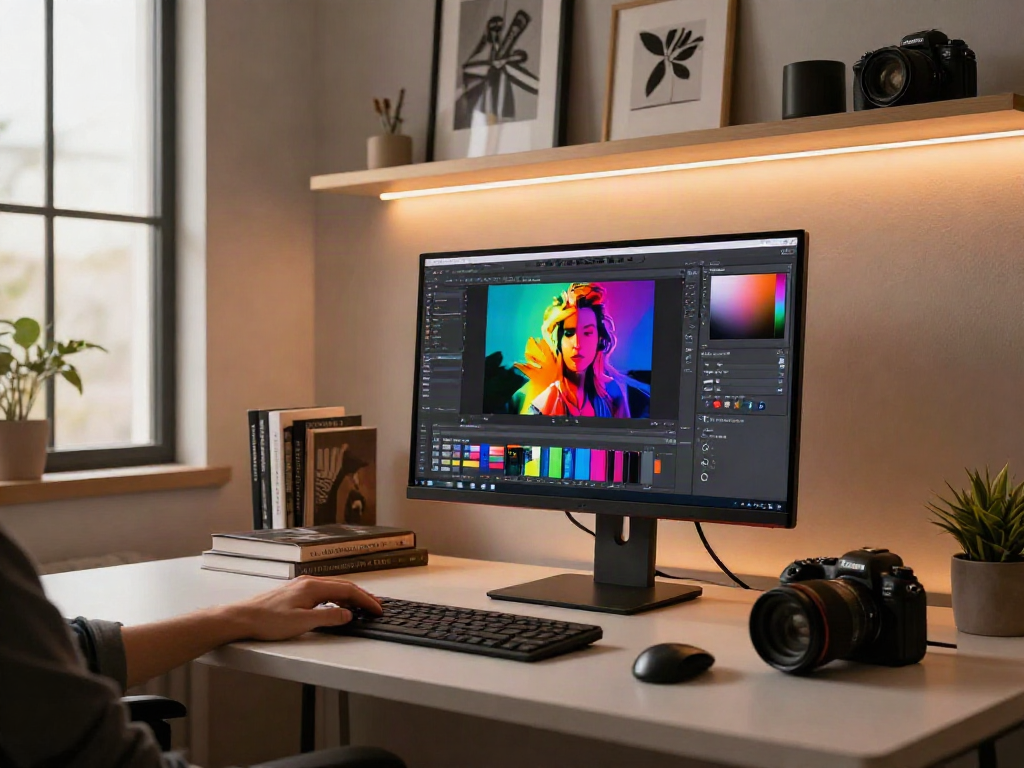
In today's digital age, the use of artificial intelligence (AI) in photo editing is revolutionizing how we enhance and manipulate images. As professionals and enthusiasts alike seek tools that not only speed up their workflow but also elevate the quality of their outputs, AI photo editing software has emerged as a critical resource. These tools leverage sophisticated algorithms to automate complex editing processes, delivering results that were once exclusively within the domain of skilled editors. Whether you're a graphic designer, photographer, or casual user, understanding the capabilities of ai photo editor technology can greatly enhance your creative projects.
What is AI Photo Editing?
AI photo editing refers to the use of artificial intelligence technologies to analyze, modify, and improve photographs. Unlike traditional editing software that requires manual intervention for every adjustment, AI-driven tools can assess images and apply enhancements based on learned patterns and data. This process is not only faster but often results in more consistent and professional-quality images.
Key Features of AI Photo Editors
- Automatic Enhancements: AI photo editors can automatically improve brightness, contrast, saturation, and sharpness based on the content of the image.
- Object Recognition: Advanced algorithms can identify subjects and backgrounds, allowing for selective editing without complicated masks.
- Smart Filters: These tools offer unique filters that can be applied intelligently based on the photo's characteristics.
- Content-Aware Editing: AI can remove unwanted objects or fill in backgrounds seamlessly.
How AI Enhances Image Quality
AI photo editors utilize deep learning techniques to analyze large datasets of images, learning what constitutes a high-quality photo. By understanding complex elements such as lighting, color composition, and textures, AI can intelligently enhance images. This results in improved clarity and detail, ensuring that the final product meets professional standards. The blending of AI capabilities with user creativity presents opportunities for unprecedented image quality.
Benefits of Using AI Photo Editors
Saving Time with Automation
One of the most significant advantages of AI photo editing is the time saved through automation. Tasks that previously required hours of manual adjustments can now be completed in minutes. AI tools streamline repetitive processes, allowing photographers and designers to focus on more creative aspects of their work. For those managing high volumes of images, the efficiency gained from AI editing can lead to increased productivity and faster turnaround times.
Improving Consistency in Edits
Consistency is crucial in any visual work, especially in branding and promotional efforts. AI photo editors maintain uniform standards across batches of images, applying similar enhancements automatically. This level of consistency ensures that all visuals align perfectly with a brand's aesthetic and message, significantly reducing revision cycles.
Creative Inspiration Through AI Suggestions
AI photo editors can analyze your editing style and provide creative suggestions tailored to your preferences. This feature not only speeds up the editing process but also inspires new ideas you might not have considered. By suggesting filters, compositions, or enhancements, AI tools can broaden your creative horizons and improve your overall output.
Choosing the Right AI Photo Editor for Your Needs
Comparing Popular AI Photo Editors
When selecting an AI photo editor, it’s essential to compare the various options available on the market. Popular editors include Adobe Photoshop with its AI-powered features, Luminar AI known for its user-friendly interface, and Topaz Labs, which excels in image enhancement. Each software offers unique functionalities catering to different user needs, from basic adjustments to advanced retouching.
Factors to Consider When Selecting a Tool
- Pricing: Evaluate the cost of each editor, considering both one-time purchases and subscription models.
- Features: Identify which features are essential for your work, such as batch processing, specific filters, or retouching capabilities.
- Compatibility: Ensure the software is compatible with your existing hardware and other tools in your workflow.
User Experience and Interface Design
A user-friendly interface can significantly affect your overall experience with an AI photo editor. Look for tools that offer intuitive navigation and easy access to features. A well-designed user interface can save time and enhance productivity by allowing you to focus on creativity rather than getting lost in complex menus.
Best Practices for Maximizing AI Photo Editing
Integrating AI Tools into Your Workflow
To make the most of AI photo editing technology, it’s essential to integrate these tools seamlessly into your existing workflow. Start by choosing an AI editor that complements your current software suite. This integration can streamline your editing process and help you achieve consistent results across projects.
Combining Traditional Techniques with AI
While AI photo editors offer powerful capabilities, the best results often come from combining AI tools with traditional editing techniques. Use AI for initial enhancements and then apply your creative eye for final adjustments. This hybrid approach allows you to leverage the strengths of AI while maintaining your personal style.
Learning from AI-Driven Insights
AI photo editors can provide valuable insights based on your editing habits and the types of images you work with. Take advantage of these insights to refine your techniques, learn what works best for your style, and continuously improve your skill set. Regularly experimenting with different features can help uncover new potentials in your workflow.
The Future of AI Photo Editing in 2026
Emerging Trends in AI Technology
The landscape of AI photo editing is continually evolving, with emerging trends set to shape the future of image manipulation. Expect advancements in machine learning algorithms that allow for more precise edits, improved user interfaces that enhance accessibility, and smarter tools that understand context better than ever before. As technology progresses, we can anticipate a shift toward more personalized editing experiences, where tools adapt to individual user preferences.
Predictions for AI Impact on Design
By 2026, AI will likely play an even more significant role in the design world, influencing everything from advertising content to social media imagery. Designers will increasingly rely on AI-generated insights to create compelling narratives that resonate with their audience. Additionally, the ability to create coherent visual stories from disparate elements will enhance brand communication.
Preparing for Future Innovations
As we look ahead, it’s essential for creators to stay informed about AI developments in photo editing. This proactive approach will allow designers and photographers to adapt swiftly to new tools and techniques that enhance their craft. Continuous learning and experimentation will be pivotal in leveraging future innovations effectively.
What are the most popular AI photo editors?
Some of the most popular AI photo editors as of 2026 include Adobe Photoshop with its AI-driven features, Luminar AI known for its smart filters and user-friendly design, and Fotor, which provides simple yet effective editing capabilities. Each of these editors offers unique functionalities catering to different levels of expertise and editing needs.
How can AI photo editors save time?
AI photo editors can save time by automating repetitive tasks such as color correction, background removal, and applying filters. This efficiency allows users to focus on more critical creative aspects of their projects, significantly increasing productivity.
Are AI photo editors suitable for beginners?
Yes, many AI photo editors are designed with beginners in mind, featuring intuitive interfaces and automated processes. These tools can guide new users through editing tasks, making it easier to achieve professional-looking results without a steep learning curve.
What features should I look for in an AI photo editor?
When selecting an AI photo editor, look for features like automatic enhancements, object detection capabilities, user-friendly interface, and a variety of filters. Additionally, consider compatibility with your existing software and whether it allows for manual adjustments for those moments when you want more control.
How will AI shape photography in the future?
AI is set to revolutionize photography by enabling greater creativity through intelligent automation. As AI tools become more sophisticated, they will empower photographers to push boundaries, experiment with styles, and create visually stunning content that resonates with audiences on a deeper level.